Fractional Gold vs 1 oz Coins: Are You Paying Too Much in Premiums?
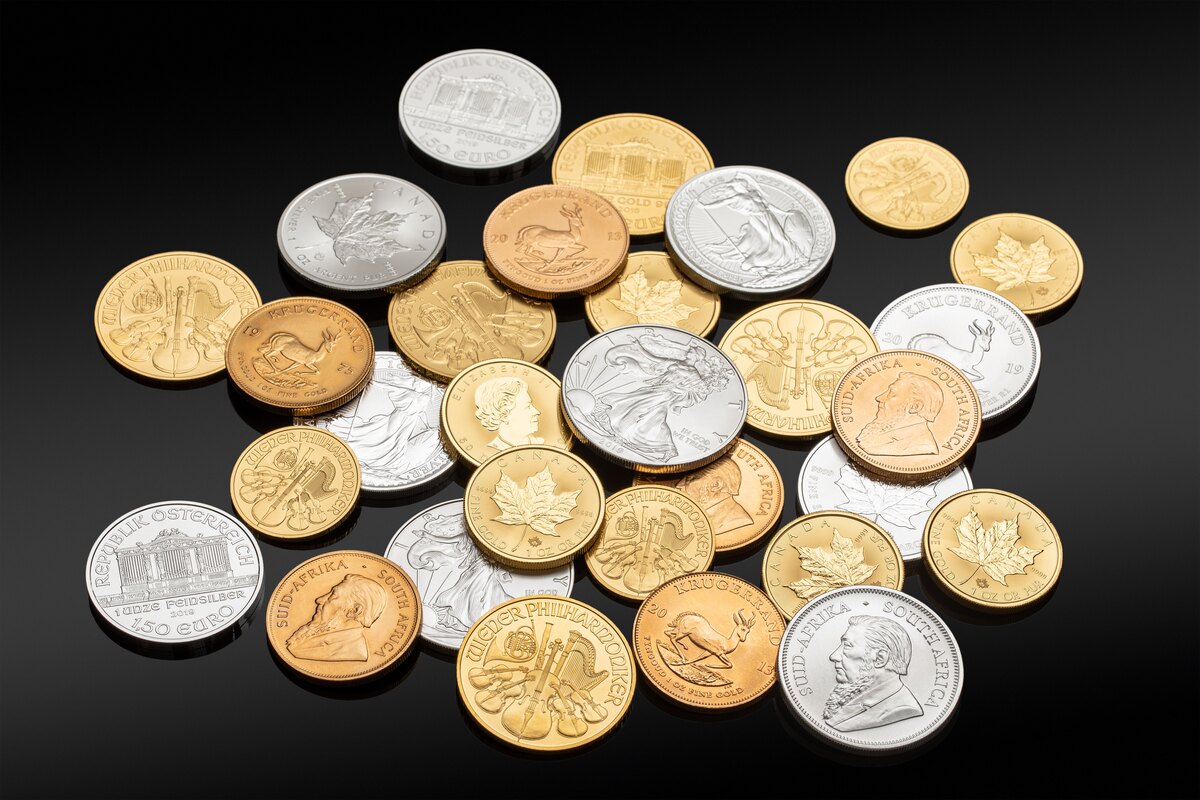
Once you decide to move beyond silver and add the ultimate wealth anchor—physical gold—to your stack, you immediately face a pricing dilemma.
Because gold has such a high value-to-weight ratio, buying a standard 1-ounce coin requires a significant amount of capital upfront. To make gold more accessible to the average investor, mints produce "fractional" gold coins in sizes like 1/2 oz, 1/4 oz, and 1/10 oz.
Fractional gold seems like the perfect solution for stacking on a budget. But if you do not understand how dealer premiums work, buying fractional gold is one of the fastest ways to destroy your investment equity before the coins even arrive in the mail.
The Fabrication Trap
To understand why fractional gold is a double-edged sword, you have to look at the physical manufacturing process.
It takes a mint the exact same amount of labor, machine time, packaging, and logistical effort to produce and ship a 1/10 oz gold coin as it does to produce a full 1 oz gold coin. Because the manufacturing costs are identical, the mint (and subsequently, the dealer) must charge a significantly higher percentage markup on the smaller coin to maintain their profit margins.
This markup over the spot price is known as the premium.
The Math: Visualizing "Premium Creep"
Let’s look at a real-world example using a standard bullion product like the American Gold Eagle.
When you buy a 1 oz Gold Eagle, you might pay a premium of around 4% to 6% over the live spot price of gold. If spot gold is $2,400, you pay roughly $2,520 for the coin.
However, if you buy a 1/10 oz Gold Eagle, the dealer might charge a 15% to 20% premium. If spot gold is $2,400 (making 1/10 oz worth $240 in raw metal), you might pay $285 for the coin.
If your ultimate goal is to accumulate one full ounce of gold, look at what happens to your cost basis when you buy it in fractions:
| Purchase Method | Raw Spot Value | Premium Paid | Total Out of Pocket |
|---|---|---|---|
| Buying One 1 oz Coin | $2,400 | ~$120 | $2,520 |
| Buying Ten 1/10 oz Coins | $2,400 | ~$450 | $2,850 |
By choosing to buy ten 1/10 oz coins instead of saving up for one 1 oz coin, you are essentially throwing away hundreds of dollars in lost equity. For your investment to simply break even, the spot price of gold has to rise significantly higher just to cover that initial fractional markup.
When Does Fractional Gold Actually Make Sense?
Despite the high premiums, there are two specific scenarios where stacking fractional gold is a smart strategy:
- Worst-Case Barter Scenarios: If you are stacking precious metals as insurance against hyperinflation or a severe currency collapse, fractional gold is highly useful. If you need to make a medium-sized transaction (like buying a used generator or bulk food supplies), handing over a 1 oz gold coin is impractical. A 1/10 oz or 1/4 oz coin is a much more usable denomination. (Note: For small daily transactions, 90% junk silver is the superior choice).
- Budget Constraints vs. Fiat Devaluation: If you absolutely cannot save enough fiat currency to buy a 1 oz coin without that currency losing purchasing power to inflation in the meantime, locking in a fractional gold piece ensures at least a portion of your wealth is protected immediately.
The Only Rule That Matters: Track Your Cost Basis
Whether you are saving up for full 1 oz coins to maximize your weight, or willingly paying the higher premiums for the utility of fractional gold, you are flying blind if you do not track your purchases.
If you buy a 1/4 oz gold coin today and a 1/10 oz gold coin next month, do you know exactly what spot price is required for your portfolio to become profitable?
Stop Guessing if Your Stack is Profitable
I designed Precious Metalz specifically so stackers could log their exact purchase price, including the premium, and watch their total portfolio value update in real time. If you are going to pay the premiums for fractional gold, make sure you have the tools to track your true cost basis.
See App Features & Download