Gold vs. Silver Stacking: Which Should Beginners Buy First?
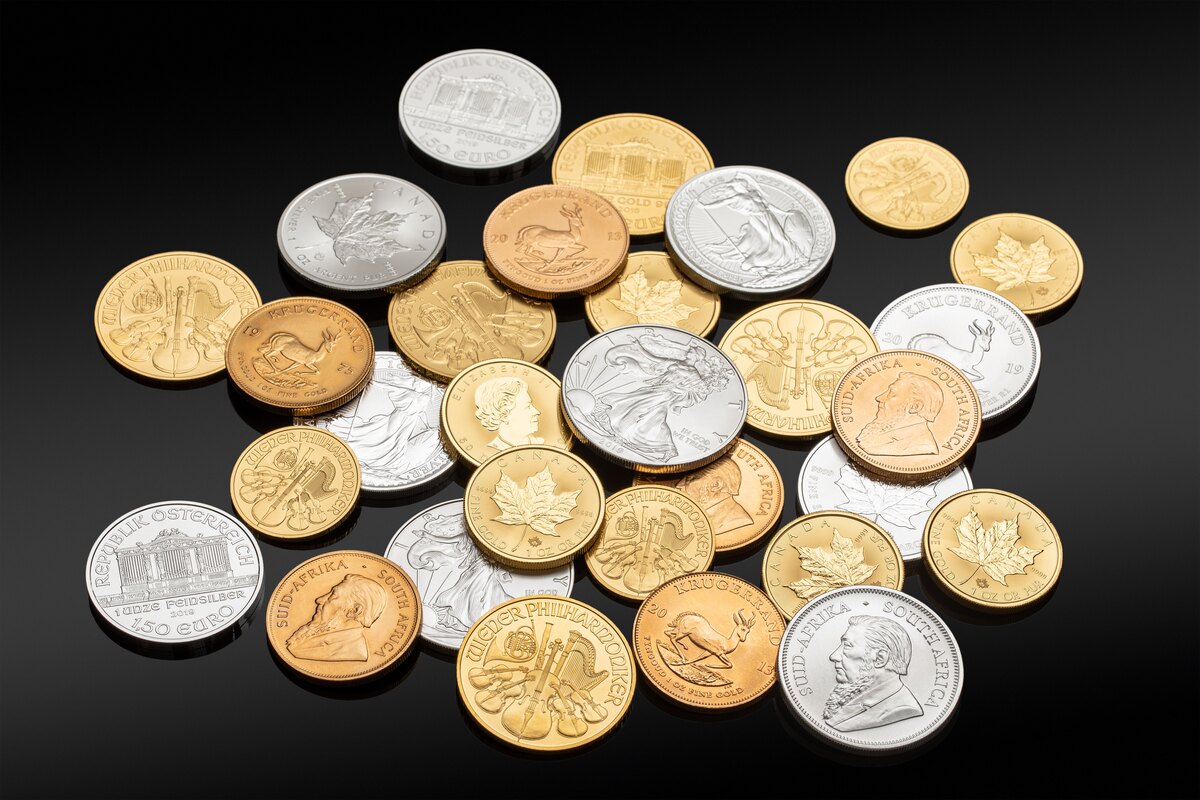
When you make the decision to step outside the fiat financial system and protect your wealth with tangible assets, you immediately face the oldest debate in the bullion community: should you buy gold or silver?
Both metals have protected wealth for thousands of years, acting as a historical hedge against inflation and currency devaluation. But functionally, stacking gold is a very different experience from stacking silver. Before you place your first order with a bullion dealer, here is exactly what you need to know about which metal fits your strategy, your budget, and your physical safe.
The Case for Stacking Silver
Silver is almost always the entry point for new stackers, and for good reason: it is accessible.
- Low Barrier to Entry: At a fraction of the cost of gold, you can start stacking silver with limited capital. This allows you to build a physical position gradually, buying an ounce or two every payday without needing to save up thousands of dollars first.
- High Upside Volatility: Because the silver market is much smaller than the gold market, it is far more volatile. When precious metal bull markets take off, silver historically moves two to three times as dramatically as gold.
- Massive Industrial Demand: Unlike gold, which is primarily held for investment and jewelry, silver is an essential industrial metal. It is highly conductive and required for solar panels, electric vehicles, and medical devices. This dual demand—monetary and industrial—gives silver a unique fundamental floor.
The Downside: Silver is heavy and takes up a massive amount of physical space. If you invest $10,000 in physical silver, you will be hauling around heavy "monster boxes" that require serious safe capacity.
The Case for Stacking Gold
Gold is the undisputed king of wealth preservation. Central banks do not hold silver in their vaults to back their currencies; they hold gold.
- Incredible Wealth Density: Gold’s biggest advantage is its value-to-weight ratio. You can hold tens of thousands of dollars in the palm of one hand. This makes it incredibly easy to transport, hide, and store safely compared to silver.
- Lower Volatility: Gold is much less volatile than silver. It is a slow, steady anchor for your portfolio. If you are looking to park a large amount of savings to protect it from inflation without checking the spot price every day, gold is the answer.
- Lower Relative Premiums: Generally speaking, the premium (the dealer markup over the spot price) on a standard 1-ounce gold coin is much lower as a percentage of the total cost than the premium on a 1-ounce silver coin.
At a Glance: Which Metal is Right for You?
| Feature | Physical Silver | Physical Gold |
|---|---|---|
| Barrier to Entry | Low (Accessible for weekly buys) | High (Requires larger capital) |
| Market Volatility | High (Larger percentage swings) | Low (Steady wealth anchor) |
| Storage Space | High (Heavy, requires a large safe) | Low (Extremely dense value) |
| Primary Demand | Industrial & Monetary | Monetary & Central Banks |
The Pro Strategy: The Gold-to-Silver Ratio
You do not have to choose just one. Many veteran stackers use the Gold-to-Silver Ratio (GSR) to determine what to buy.
The GSR tells you how many ounces of silver it takes to buy one ounce of gold. Historically, the average sits around 60:1. When the ratio spikes high (for example, above 80:1), it signals that silver is historically undervalued compared to gold—so stackers buy silver. When the ratio drops below 50:1, they shift their buying to gold.
The Verdict & Your Next Step
If you have a smaller budget to invest right now, start with 1-ounce silver coins or rounds. If you are looking to preserve a larger sum of cash immediately, buy gold to save on percentage premiums and physical storage space.
Regardless of which metal you choose, you must track your cost basis.
When I first started stacking metals, I made the rookie mistake of buying random silver rounds and fractional gold without logging my premiums. My inventory became a mess, and I had no idea what my true average cost per ounce was.
Treat Your Stack Like a Bank Vault
You have to treat your stack like a personal bank vault. That is exactly why I built Precious Metalz. Before you buy your first ounce, get your tracking system in place to monitor your inventory, log premiums, and watch your total portfolio value update against live market prices.
See App Features & Download